You may need a particular package during a wait. Agree access before it goes into storage.
Storing furniture for a few weeks adds a phase between leaving one home and arriving at the next. The quote must let you understand what will be collected, how it will be identified during storage and what delivery is planned afterwards. Do not assume both transport operations are included when hiring storage space.
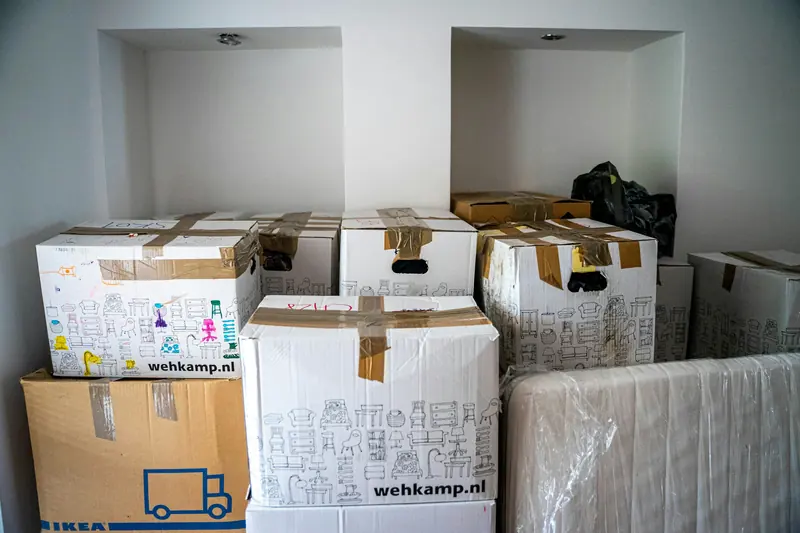
Start with items you need during the wait
Separate objects you can leave stored from those you need to retrieve before final delivery. Identify any package needed soon in the list and ask how to access it. A precise reference avoids asking someone to find ‘a bedroom box’ among several with similar contents.
Servimudanzas' official storage page describes collection, inventory and custody, arranged access and final delivery. That operator advertises those phases; your contract's conditions need a specific proposal.
| Phase | Information to prepare | Condition to ask about |
|---|---|---|
| Collection | Inventory and origin access | Included work and date |
| Arrival | Furniture and package references | How receipt is documented |
| Storage | Planned duration and objects to retrieve | Access and service conditions |
| Departure | List to travel to the destination | Notice required and preparation |
| Delivery | Access and destination availability | Work and transport included |
Two lists when part of the move goes directly
If some furniture goes to the home and some to storage, divide the inventory by destination. You can keep an overall list, but each entry needs to state its operation. The same item should not appear as transported to both places if it will go to only one.
Fictitious example: SAL-01 and SAL-02 go directly to the home; DOR-01 and DOR-02 remain in storage. Use codes or names you recognise and avoid personal details on visible labels.
Review what would change if you retrieve DOR-01 before the end. Ask about the procedure and any additional service that operation would need. Do not turn that intermediate collection into an included delivery just because the package appears in the same inventory.
Planned duration and undecided departure
You may know the arrival date without knowing departure. Explain that uncertainty when requesting an assessment. Ask how duration is agreed, when you must give notice to retrieve items and what happens if you extend or shorten the stay. Do not apply one timeframe to every service.
Also ask the quote to distinguish transport and storage items, taxes and payment conditions. A figure for space or a period does not necessarily describe collection, furniture preparation or home delivery. Use the same scope to compare alternatives.
One company may offer all operations; another may handle storage only. Identify who is responsible for each phase and whom to notify of a change. If different providers are involved, keep documents connecting departure from one with arrival at the other.
Arrival inventory and storage conditions
Ask what record of handed-over objects you will receive and how condition observations are recorded. A photo can describe a specific piece but does not replace the object or package reference. Keep the list, arrival documents and provider clarifications together.
- Which items and packages are received.
- How the space or stored group is identified.
- What access you can request during storage.
- Which cover conditions apply to that phase.
- What preparation is required and which tasks the provider takes on.
- How final delivery is organised and what remains unconfirmed.
Terms such as ‘monitored’ or ‘secure’ and warehouse photos do not explain cover, preservation or access conditions. Ask for documents applicable to your objects, especially if they need particular care.
Review the list before transporting again
If you retrieved objects during storage, update the departure list so they no longer count as awaiting delivery. If a new package is added, record when it arrived and which operation it belongs to. The company needs those differences when organising final transport.
The Calcula y Contrata inventory tool lets you prepare and share a list, but does not book storage or check available space. You can use notes to explain destinations and outstanding items; save changes and tell the company which version to assess.
Before final delivery, review destination access, the person receiving it and planned tasks in the home. Keep any condition you cannot yet check open in the enquiry. The storage arrival list documents what you left; the departure proposal must describe the service you need now.