A simple labelling system lets you count packages and identify where each box will go without opening it.
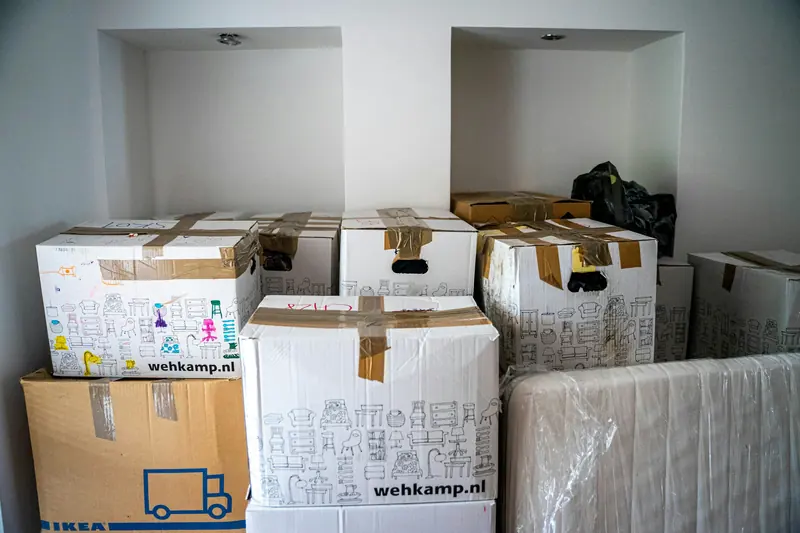
Choose a way to identify boxes that you can use right through to the last one. For example, “Kitchen 01”, “Kitchen 02” and “Bedroom 01”. The numbering helps count packages; the name shows where you want them placed. You do not need to write a detailed inventory of every item on the outside.
What to include on the label
- Destination room and box number.
- Brief description of the contents, such as books or kitchen utensils.
- Identify delicate contents where relevant and agree their preparation with the company.
- A reference matching your list if you want to locate a specific box.
Keep sensitive information separate. A visible label does not need full names, documents, the monetary value of its contents or access details. If a box will travel with you, separate it from those the company will collect and exclude it from the contracted transport inventory.
While packing, distinguish sealed boxes from those still to be packed. If you recorded twelve but only seven are ready, keep both figures with their meanings. Check the total when you finish packing and communicate later changes before treating it as final.
Dimensions and contents are separate matters
External dimensions describe a box’s volume, but not its contents or how it should be handled. Discuss preparation of special items with the company.
Count items room by room and then check the total. If you have reused a box with an old label, remove or cover the reference that no longer applies. Before collection, check that the list also identifies suitcases and other packages outside the same box labelling system.