Inventory cubic metres are not enough to assess a crossing. The vehicle, ports and conditions need confirmation.
If the move crosses the sea, separate three parts when preparing your enquiry: collection and travel to the port, the crossing, and the journey from the destination port to delivery. A total distance does not explain how furniture will move or which vehicle must board.
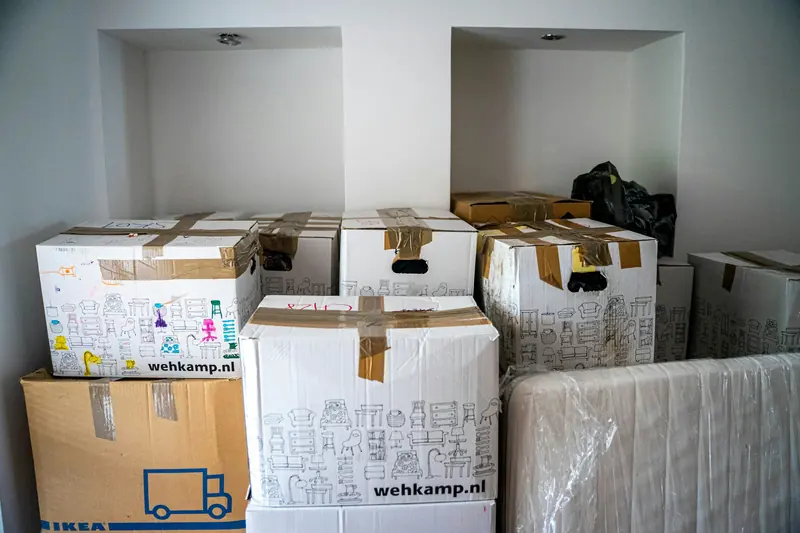
A vehicle is not described by cubic metres alone
Baleària directs bookings for commercial vehicles carrying goods to the freight department at the departure port. Its freight quote form asks for ports, dates, goods and vehicle dimensions. A tourist offer for a car does not establish the price of a loaded commercial van.
You can prepare the inventory before the final vehicle is known. Mark that information outstanding and ask the company to identify the vehicle used in its assessment. The geometric sum of furniture and boxes does not determine its external length, carried weight or loading method.
| Detail | What to prepare | Who must confirm it |
|---|---|---|
| Inventory | Reviewed items, quantities and dimensions | You and the company |
| Vehicle | Type, dimensions and planned load | The transport company |
| Crossing | Specific ports and planned date | Operator and carrier |
| People travelling with the vehicle | Drivers and people who would travel | The parties and ferry operator |
| Delivery | Address, access and destination availability | You and the company |
Do not choose a vehicle category from a van's trade name or photograph. The quote needs its relevant boarding characteristics. If the company changes vehicle, ask whether the crossing and its price assessment must also be reviewed.
An example itinerary with decisions outstanding
Example itinerary: mainland home → departure terminal → arrival terminal → island home. This is a fictitious outline; the connected ports and whether the crossing is direct must be confirmed.
The first part still needs loading access and the boarding terminal checked. The crossing still needs the vehicle and date conditions. The final part needs confirmation of who can receive delivery and whether furniture will be carried up to the home. Keep each outstanding item with its leg so it is not confused with a settled route.
If the company includes an intermediate stop or changes the proposed port, ask for an updated itinerary. A line drawn on a map does not prove an operating connection or booking. Do not organise delivery assuming the ferry will arrive at a different port from the agreement.
Which items to ask to have distinguished
- Work and road travel at origin and destination.
- Sea crossing and the vehicle it concerns.
- Drivers or accompanying people included.
- Vehicle return where applicable to the proposed service.
- Waiting, administration and port operations assessed.
- Taxes, exclusions and conditions still outstanding.
These do not all have to appear as surcharges or separate items. Ask the company to clarify what the total includes and what still needs assessing, especially when comparing different itineraries.
Also clarify who books the crossing and what confirmation you will receive. A ferry reference included in a company's calculation does not prove a booking. Ask what would happen if the planned sailing cannot be used and where furniture will stay while delivery is resolved.
How to read a ferry reference in the tool
When the calculator shows a ferry supplement, read the connection, estimated vehicle and exclusions in the result itself. These are estimation assumptions, rather than the definitive identity of the vehicle a company will use. The professional proposal must confirm the whole move.
If a ferry is shown as awaiting confirmation, do not interpret it as a free crossing. If only land legs have been estimated, the sea cost remains open. Keep that distinction when showing the result: avoid sending just a figure without its conditions.
Before setting dates
Gather access conditions for both homes and explain when they will be available. If you do not have destination keys, identify who can check it. Ask the company about the relationship between collection, boarding and delivery, without turning a desired date into confirmed availability.
Keep the inventory assessed and the itinerary version you accept. A change of items may require different loading arrangements; a different date may require the crossing to be reviewed. Ask for those decisions to appear in the new proposal before using it to coordinate the move.