Sharing a vehicle explains part of the service. Dates and the route your belongings take need their own conditions.
‘Shared-load’ and ‘dedicated transport’ do not, on their own, describe a complete move. They tell you something about vehicle use, but leave questions about collection, delivery, storage and tasks at each home. To compare proposals, you need to know what will happen to your furniture between both doors.
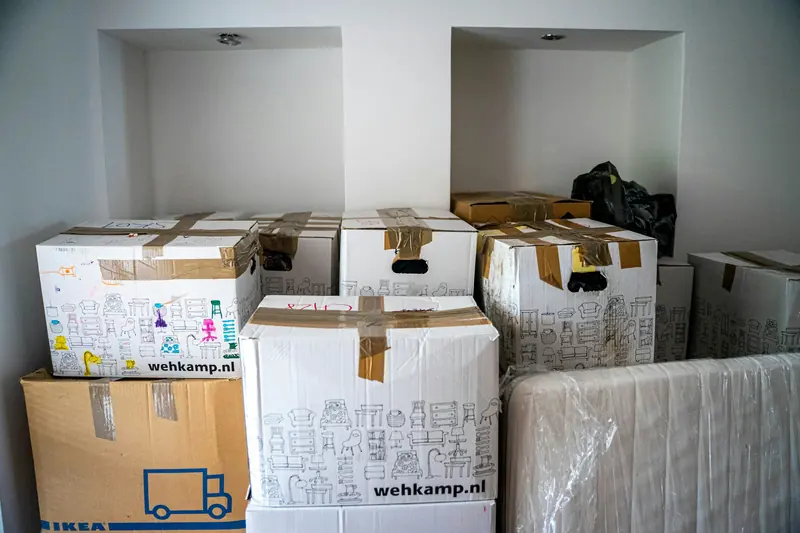
What each option means
Cochelimp describes shared-load transport as combining several customers' loads in one vehicle. Its information distinguishes one arrangement with advance collection and warehouse transfers from another where the vehicle collects and delivers along its route. Its definition of dedicated transport reserves the vehicle for one customer's goods. These are the operator's descriptions, rather than conditions shared by every company.
Ask how that arrangement applies to your move. A shared-load proposal may require flexibility on collection, delivery or both. A dedicated proposal also needs times, stops and contracted tasks confirmed. The word does not replace a date agreement.
Questions that change the comparison
| Appearance | What to request in writing |
|---|---|
| Collection | Day or date window and how it will be confirmed |
| Delivery | Date, allowance and person available to receive it |
| Route taken by belongings | Whether they stay in the vehicle or pass through a facility |
| Handling | Who unloads, stores and reloads where applicable |
| Identification | How boxes and furniture are matched to your inventory |
| Work at the homes | Loading, unloading, packing and assembly included |
| Changes | What happens if the date or volume changes |
Note the answers beside the inventory, especially if you have a fixed departure date. Knowing the carrier can collect that day is not enough: you also need to settle where items will stay and when you can receive them. If delivery is not finalised, identify the missing decision and when it will be confirmed.
Packing and dismantling are compared separately. A dedicated-vehicle offer may leave boxes to you; a shared one may include preparing them. The same applies to carrying items up to the home, assembly or an intermediate facility. Keep those differences visible to avoid choosing solely by the arrangement's name.
Two illustrative proposals, without prices
Fictitious example, without prices: for the same inventory, proposal A offers a dedicated vehicle, collection on a specific day and delivery to be confirmed. B offers shared-load transport, a collection window and a stated delivery date. These conditions do not represent a market pattern.
If you must vacate the home on a fixed day, ask A what its unconfirmed delivery means and B when collection will be confirmed. Neither is ruled out solely by being shared or dedicated. The deciding point is whether its conditions fit the access you will have available.
Suppose also that A includes loading and transport, while B adds packing for some objects. Ask both to assess the tasks you need, or decide which you will do yourself. The scope difference prevents you from inferring a saving or claiming that one arrangement always costs less.
If there is storage between collection and delivery
Ask for the facility or custody process, your access to belongings and conditions for that phase to be identified. Ask how you will receive proof of arrival and which inventory will be used on departure. If an item must remain available during the wait, state this before finalising the proposal.
Ask how many times items will be unloaded and loaded and how they will be identified at each change. Box codes should match your list without showing sensitive contents on the outside.
What the calculator can tell you
The Calcula y Contrata calculator helps prepare the inventory and an indicative estimate. Its road-distance price reference is for dedicated transport. It does not compare shared-load rates or check space availability in a vehicle. A company must assess and confirm that alternative.
You can use the same inventory to ask about both arrangements, keeping measurements, outstanding items and conditions. When receiving a proposal, check taxes and the final price with the company. Do not interpret the calculator range as a limit the operator must accept.
Before deciding, write down the condition you cannot change: leaving one home, destination availability or a task you cannot do. Provide it when requesting the proposal and ask the reply to state whether it can be met. If a date remains open, also record how it will be settled.